

```html
Diving into the world of Forex trading can feel like stepping into a vast ocean. The potential for profit is immense, but so is the risk of getting lost in a sea of confusing jargon and complex strategies. Where do you even begin?
Many aspiring traders feel overwhelmed. They struggle to find reliable information amidst the noise of online forums and flashy marketing campaigns. They might invest time and money into courses or strategies that don't deliver, leading to frustration and potential financial loss. The sheer volume of information can be paralyzing, leaving them unsure where to focus their efforts.
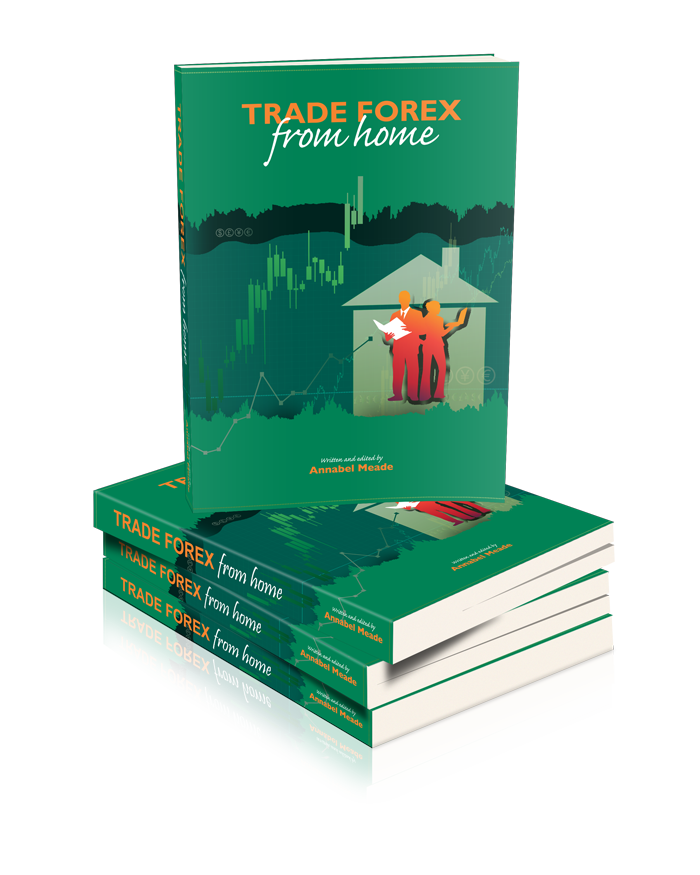
This post aims to navigate you through the best Forex books for beginners, both free and paid, that can help you build a solid foundation in Forex trading. We'll explore resources that demystify the market, teach essential trading strategies, and guide you towards developing a winning mindset. Our goal is to equip you with the knowledge and confidence you need to start your Forex trading journey on the right foot.
We'll cover a selection of highly recommended Forex books, catering to different learning styles and budgets. From introductory guides that explain the fundamentals to in-depth analyses of specific trading techniques, we'll highlight the key takeaways and help you choose the resources that align with your goals. You'll learn about technical analysis, fundamental analysis, risk management, and the psychology of trading – all crucial elements for success in the Forex market. By the end of this post, you'll have a clear roadmap for your Forex education, allowing you to trade smarter and with greater confidence. Key words: Forex trading, beginner, books, free, paid, strategies, risk management, technical analysis, fundamental analysis.
Understanding Forex Fundamentals for Beginners
The target audience for this section is absolute beginners who need a clear and concise introduction to the Forex market. It aims to lay the groundwork for more advanced concepts by explaining the basic terminology, market structure, and key players involved.
I remember when I first started learning about Forex. It felt like everyone was speaking a different language! I was constantly Googling terms like "pip," "leverage," and "margin," and I still felt like I was missing the big picture. I quickly realized that before I could even think about making a trade, I needed to understand the fundamentals. That's why I started with a beginner-friendly book that explained everything in plain English. It was a game-changer! Suddenly, the market started to make sense, and I felt much more confident in my ability to learn and grow as a trader.
The Forex market, short for foreign exchange market, is the global marketplace where currencies are traded. It's the largest and most liquid financial market in the world, with trillions of dollars changing hands every day. Unlike stock exchanges, Forex trading happens 24 hours a day, five days a week, allowing traders to react to global events in real-time. Understanding the basics of currency pairs (like EUR/USD), the factors that influence currency values (like interest rates and economic growth), and the different types of Forex brokers is essential for any beginner. This foundation will empower you to make informed decisions and avoid common pitfalls as you progress in your trading journey. Without a solid grasp of these principles, you're essentially gambling, hoping for luck rather than relying on knowledge and strategy. Forex trading for beginners should start with a comprehensive understanding of these fundamental concepts.
What Makes a Good Forex Book for Beginners?
A good Forex book for beginners should be easy to understand, even if you have no prior knowledge of finance or economics. It should use clear and concise language, avoid jargon whenever possible, and provide plenty of examples to illustrate key concepts. It should also cover the essential topics, such as currency pairs, leverage, margin, risk management, and basic trading strategies.
A good Forex book is more than just a collection of facts and figures; it's a guide that holds your hand and leads you through the complexities of the market. It should break down complicated concepts into manageable chunks and provide practical advice that you can actually use in your trading. The best books often include case studies, examples of successful trades, and tips for avoiding common mistakes. They should also emphasize the importance of risk management and developing a sound trading plan. Furthermore, a valuable Forex book for beginners should not only educate but also motivate, inspiring you to continue learning and improving your skills over time. The focus should be on building a strong foundation of knowledge and understanding, allowing you to approach the Forex market with confidence and discipline. Avoid books that promise instant riches or overly complicated strategies, as they are often unrealistic and misleading.
The History and Myths Surrounding Forex Trading
Forex trading has evolved significantly over time, with its roots tracing back to international trade and the need to exchange currencies. While the modern Forex market is relatively young, the underlying concept of currency exchange has existed for centuries. With its growth have come many myths that should be cleared.
The Forex market, as we know it today, started to take shape in the 1970s when fixed exchange rates were abandoned. This led to a surge in demand for currency trading, paving the way for the electronic trading platforms and online brokers that dominate the market today. However, with the rise of online trading, numerous myths and misconceptions have also emerged. One common myth is that Forex trading is a quick and easy way to get rich. While it's true that the potential for profit is high, it's also important to acknowledge the significant risks involved. Another myth is that you need to be a financial expert or have a large amount of capital to start trading Forex. While knowledge and capital are helpful, they are not necessarily prerequisites for success. Many beginners start with small accounts and learn as they go. It's crucial to separate fact from fiction and approach Forex trading with a realistic and informed perspective. Understanding the history of the market and debunking common myths can help you avoid costly mistakes and develop a more sustainable trading strategy. Remember, consistency and continuous learning are key to long-term success in the Forex market.
The Hidden Secrets of Successful Forex Traders
While there's no magic formula for success in Forex trading, there are certain traits and habits that successful traders tend to share. These "hidden secrets" are often overlooked by beginners, but they can make a significant difference in your overall performance.
One of the most important secrets is discipline. Successful traders have a well-defined trading plan and stick to it, even when faced with temptation or fear. They don't let emotions cloud their judgment, and they always follow their rules for entry and exit. Another key secret is risk management. Successful traders understand that protecting their capital is paramount, and they use tools like stop-loss orders to limit their potential losses. They also avoid over-leveraging their accounts and risking more than they can afford to lose. Furthermore, successful traders are constantly learning and adapting to changing market conditions. They analyze their trades, identify their mistakes, and make adjustments to their strategies as needed. They also stay informed about economic news and events that could impact the Forex market. In addition to technical skills, successful traders also possess a strong psychological mindset. They are patient, resilient, and able to handle the pressure of trading. They don't get discouraged by losses, and they learn from their mistakes. By cultivating these traits and habits, you can significantly increase your chances of success in the Forex market. Remember that consistency, discipline, and a commitment to continuous learning are the keys to unlocking the hidden secrets of successful Forex traders.
Recommended Forex Books for Beginners (Free & Paid)
Choosing the right books can significantly accelerate your learning curve and help you avoid common pitfalls. Here are a few recommendations, catering to both free and paid options:
For free resources, websites like Baby Pips.com offer comprehensive educational materials, including articles, tutorials, and quizzes. This is a great place to start if you're on a tight budget. Another excellent free resource is the daily market analysis provided by many reputable Forex brokers. These analyses can give you insights into current market trends and potential trading opportunities.
For paid books, consider "Currency Trading for Dummies" by Kathleen Brooks and Brian Dolan. This book provides a clear and concise introduction to the Forex market, covering everything from the basics of currency pairs to advanced trading strategies. Another popular choice is "Trading in the Zone" by Mark Douglas, which focuses on the psychology of trading and developing a winning mindset. This book can help you overcome emotional biases and make more rational trading decisions. "Technical Analysis of the Financial Markets" by John J. Murphy is a comprehensive guide to technical analysis, covering various chart patterns, indicators, and trading systems. This book is more advanced, but it's a valuable resource for anyone who wants to master technical analysis. Remember to choose books that align with your learning style and goals. Start with the fundamentals and gradually work your way up to more advanced topics. And don't be afraid to experiment with different trading strategies and find what works best for you. Click here to open an account and start trading with a trusted broker: XM Broker.
Understanding Technical Analysis
Technical analysis involves studying historical price data and chart patterns to identify potential trading opportunities. It's a popular approach among Forex traders, as it allows them to make informed decisions based on objective data rather than gut feelings.
Technical analysis is based on the premise that history repeats itself, and that past price patterns can provide clues about future price movements. Traders use various tools and techniques, such as trend lines, support and resistance levels, moving averages, and oscillators, to identify these patterns and make predictions about the market. One of the key benefits of technical analysis is that it can be applied to any market and any time frame. Whether you're a day trader or a long-term investor, you can use technical analysis to improve your trading decisions. However, it's important to remember that technical analysis is not foolproof, and that it should be used in conjunction with other forms of analysis, such as fundamental analysis. It's also crucial to practice and develop your skills over time. Start by learning the basic concepts and gradually work your way up to more advanced techniques. Don't be afraid to experiment with different tools and indicators, and find what works best for you. With practice and patience, you can become proficient in technical analysis and use it to your advantage in the Forex market. Keep in mind that understanding market sentiment and news events is also essential, as these factors can influence price movements and invalidate even the most reliable technical signals. Forex beginners should take note of the importance of technical analysis, and Forex training is available to gain an even deeper understanding.
Tips for Effectively Learning from Forex Books
Reading a Forex book is just the first step. To truly absorb the information and apply it to your trading, you need to be an active learner. Here are some tips to help you get the most out of your Forex books:
First, take notes as you read. Highlight key concepts, write down examples, and summarize the main points in your own words. This will help you retain the information and make it easier to review later. Second, don't be afraid to ask questions. If you come across something you don't understand, do some research or ask for clarification from other traders. There are many online forums and communities where you can connect with experienced traders and get your questions answered. Third, practice what you learn. The best way to master Forex trading is to put your knowledge into practice. Start with a demo account and experiment with different trading strategies. Don't be afraid to make mistakes, as this is a natural part of the learning process. Fourth, review your trades and learn from your mistakes. Keep a trading journal and track your performance. Analyze your winning trades and your losing trades to identify your strengths and weaknesses. Fifth, be patient and persistent. Learning Forex trading takes time and effort. Don't get discouraged if you don't see results immediately. Keep learning, keep practicing, and keep improving your skills over time. Remember that consistency and discipline are key to long-term success in the Forex market. These learning tips will help any Forex trader, from beginner to expert!
Importance of Risk Management in Forex Trading
Risk management is a critical aspect of Forex trading that cannot be overlooked. It involves implementing strategies to protect your capital and minimize potential losses. Without proper risk management, you can quickly wipe out your account, regardless of how skilled you are at trading.
One of the most important risk management tools is the stop-loss order. This is an order to automatically close your position if the price moves against you by a certain amount. By setting stop-loss orders, you can limit your potential losses and prevent your account from being wiped out by a single bad trade. Another important risk management technique is position sizing. This involves determining how much capital to allocate to each trade. As a general rule, you should never risk more than 1-2% of your account on any single trade. This will help you preserve your capital and stay in the game for the long term. Furthermore, it's important to avoid over-leveraging your account. Leverage can magnify your profits, but it can also magnify your losses. Be sure to understand the risks of leverage before using it, and never risk more than you can afford to lose. Finally, it's crucial to have a well-defined trading plan that includes your risk management rules. This will help you stay disciplined and avoid making impulsive decisions. Risk management is not just about limiting your losses; it's also about maximizing your profits. By protecting your capital, you can stay in the game longer and take advantage of more trading opportunities. Forex books for beginners usually go into detail on risk management.
Fun Facts About the Forex Market
Beyond the technical aspects, the Forex market is full of interesting and surprising facts. Here are a few fun facts to spark your curiosity:
The Forex market is the largest financial market in the world, with a daily trading volume of over $6 trillion. This is more than the combined trading volume of all the stock exchanges in the world. The most traded currency pair is EUR/USD, which accounts for about 28% of all Forex transactions. The Forex market is open 24 hours a day, five days a week, making it the only financial market that never sleeps. The Forex market is decentralized, meaning that there is no central exchange or regulatory body. Instead, trading takes place between a network of banks, brokers, and other financial institutions. The term "Forex" is a portmanteau of "foreign exchange." The Forex market is influenced by a wide range of factors, including economic news, political events, and natural disasters. The Forex market is used by businesses, governments, and individuals to exchange currencies for various purposes, such as international trade, investment, and travel. The Forex market offers a high degree of leverage, which can amplify both profits and losses. The Forex market is constantly evolving, with new technologies and trading strategies emerging all the time. Understanding these fun facts can help you appreciate the scale and complexity of the Forex market. It's also a reminder that Forex trading is not just about numbers and charts; it's also about understanding the world around us. The Forex Market can be intimidating for Forex beginners, but reading up on facts about it can help clear some anxieties.
How to Develop a Successful Forex Trading Strategy
A well-defined trading strategy is essential for success in the Forex market. It provides a framework for making trading decisions and helps you stay disciplined, even when faced with market volatility.
Your trading strategy should include your goals, your risk tolerance, your time commitment, and your preferred trading style. It should also specify the criteria you will use to enter and exit trades, as well as your risk management rules. Start by defining your goals. What are you hoping to achieve through Forex trading? Are you looking to generate a supplemental income, or are you trying to build a long-term investment portfolio? Once you know your goals, you can determine your risk tolerance. How much risk are you willing to take on each trade? This will depend on your financial situation, your investment horizon, and your personal preferences. Next, consider your time commitment. How much time are you willing to spend each day analyzing the market and executing trades? If you have limited time, you may want to consider swing trading or position trading, which require less frequent monitoring. Finally, choose a trading style that suits your personality and preferences. There are many different trading styles to choose from, such as day trading, scalping, swing trading, and position trading. Once you have defined your goals, risk tolerance, time commitment, and trading style, you can start developing your specific trading rules. These rules should be clear, concise, and easy to follow. They should specify the criteria you will use to identify trading opportunities, the indicators you will use to confirm your signals, and the risk management rules you will use to protect your capital. Having a well-defined Forex Strategy can greatly help any Forex beginner.
What if You Don't Understand Forex Books?
It's perfectly normal to feel overwhelmed when you first start learning about Forex trading, especially if you're struggling to understand the concepts presented in the books you're reading. Don't get discouraged! There are many resources available to help you overcome this challenge.
First, try reading different books on the same topic. Different authors have different writing styles, and one author's explanation may resonate with you more than another's. Second, consider supplementing your reading with other learning resources, such as online courses, video tutorials, and webinars. These resources can provide a more interactive and engaging learning experience. Third, don't be afraid to ask for help. Connect with other traders online or in person, and ask them to explain the concepts you're struggling with. There are many online forums and communities where you can connect with experienced traders and get your questions answered. Fourth, practice what you learn. The best way to understand Forex trading is to put your knowledge into practice. Start with a demo account and experiment with different trading strategies. Don't be afraid to make mistakes, as this is a natural part of the learning process. Finally, be patient and persistent. Learning Forex trading takes time and effort. Don't get discouraged if you don't see results immediately. Keep learning, keep practicing, and keep improving your skills over time. Remember that consistency and discipline are key to long-term success in the Forex market. If Forex books are just not working for you as a Forex beginner, try other methods, like video tutorials, or personal training.
Listicle of Top Forex Books for Beginners
Here's a quick list of some of the top Forex books for beginners, both free and paid:
Free Resources:
- Baby Pips.com: A comprehensive website with articles, tutorials, and quizzes.
- Daily Market Analysis from Reputable Forex Brokers: Provides insights into current market trends and potential trading opportunities.
Paid Books:
- "Currency Trading for Dummies" by Kathleen Brooks and Brian Dolan: A clear and concise introduction to the Forex market.
- "Trading in the Zone" by Mark Douglas: Focuses on the psychology of trading and developing a winning mindset.
- "Technical Analysis of the Financial Markets" by John J. Murphy: A comprehensive guide to technical analysis.
- "The Intelligent Investor" by Benjamin Graham: Although not strictly a Forex book, this book is a must-read for any investor, especially Forex beginners, looking to build a long-term investment portfolio.
This list is just a starting point, and there are many other excellent Forex books available. The best books for you will depend on your learning style, your goals, and your preferred trading style. But remember, reading books are a tool that any Forex beginner can use!
Question and Answer
Q: What are the most important topics for a beginner to learn about Forex trading?
A: As a beginner, you should focus on understanding the fundamentals of the Forex market, including currency pairs, leverage, margin, risk management, and basic trading strategies. You should also learn about technical analysis and fundamental analysis.
Q: Are free Forex resources reliable?
A: While some free resources may not be as comprehensive as paid resources, there are many reliable free resources available, such as Baby Pips.com and daily market analysis from reputable Forex brokers. Just be sure to vet the source carefully and look for unbiased information.
Q: How much capital do I need to start trading Forex?
A: You can start trading Forex with a relatively small amount of capital, such as $100 or even less. However, it's important to remember that the more capital you have, the more flexibility you will have in your trading. Most Forex beginners will use small amounts of capital at first.
Q: How long does it take to become a profitable Forex trader?
A: There is no one-size-fits-all answer to this question. The amount of time it takes to become a profitable Forex trader will depend on your learning speed, your dedication, and your ability to adapt to changing market conditions. However, with consistent effort and a sound trading strategy, you can start seeing results within a few months.
Conclusion of Best Forex Books for Beginners (Free & Paid)
Embarking on your Forex trading journey requires a solid foundation of knowledge, and the right books can be invaluable guides. By exploring the fundamentals, mastering risk management, and understanding trading strategies, you can increase your chances of success in this dynamic market. Remember to approach Forex trading with discipline, patience, and a commitment to continuous learning. Good luck, and happy trading! For even more advanced trading tools and support, consider exploring brokers like Headway.
```


0 Reviews
Your rating