

```
Imagine stepping onto a rollercoaster without a safety harness. Exhilarating, perhaps, but also incredibly risky. Forex trading can feel the same way. Without a solid plan for managing risk, you're essentially gambling with your capital, hoping for the best while bracing for the worst.
Many traders enter the Forex market with dreams of quick riches, only to be met with unexpected losses. They pour funds into trades based on gut feelings or fleeting trends, neglecting the fundamental principles of capital preservation. The market's volatility can quickly turn their aspirations into disappointment, leaving them frustrated and financially drained.
The goal of risk management in Forex is to protect your capital and ensure your longevity in the market. It's about making informed decisions, understanding your risk tolerance, and implementing strategies to limit potential losses. Ultimately, it's about increasing your chances of long-term profitability and achieving your financial goals.
This article delves into the core principles of Forex risk management. We'll explore crucial strategies, from setting stop-loss orders and calculating position sizes to understanding leverage and managing emotions. By mastering these techniques, you can transform from a gambler into a disciplined and successful Forex trader. We'll cover everything from personal experiences with risk to uncovering hidden secrets and myths, offering a comprehensive guide to navigating the Forex market safely and profitably. Keywords like stop-loss, leverage, position size, and risk tolerance will be explored in depth.
The Importance of Stop-Loss Orders
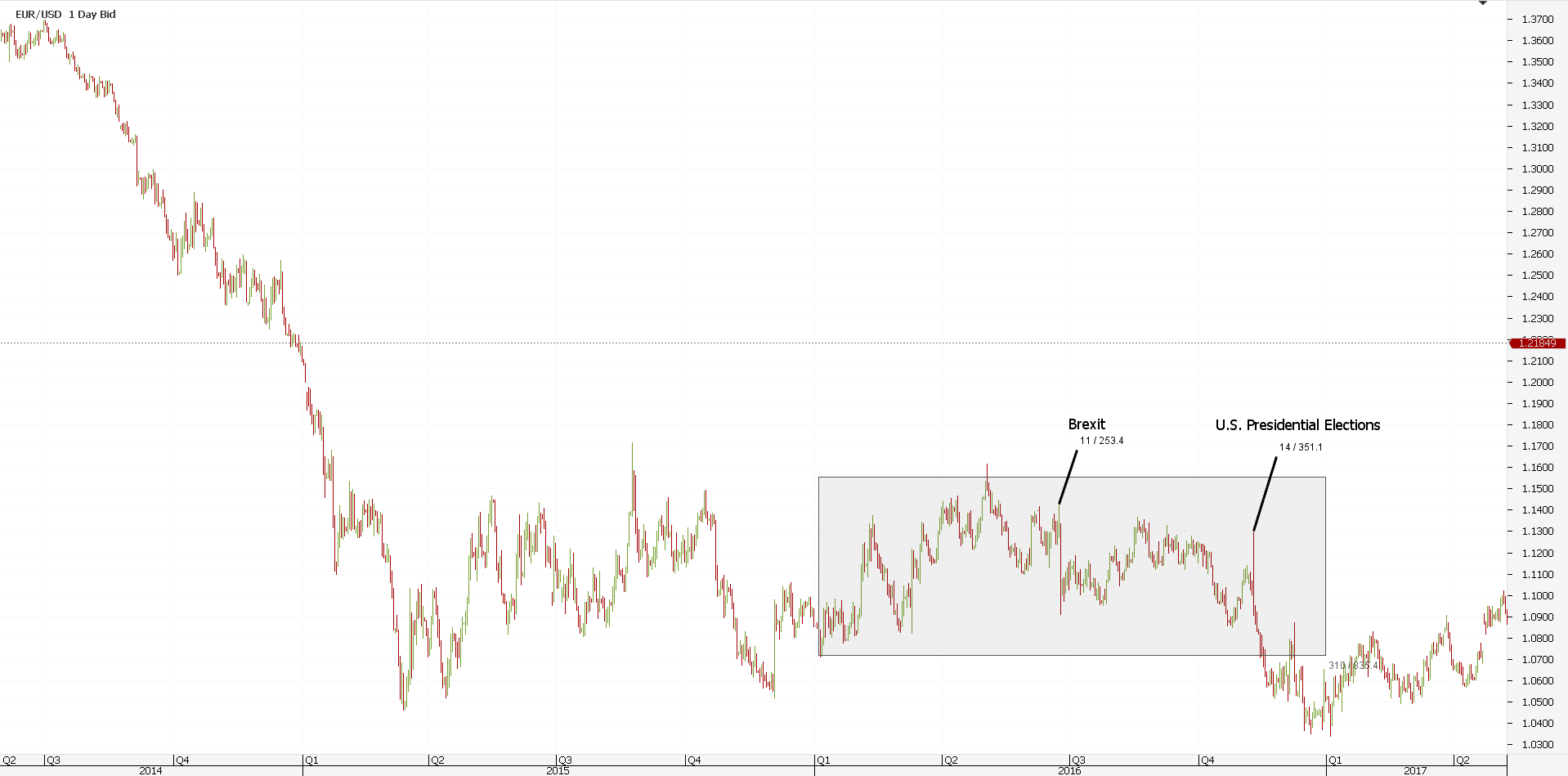
Stop-loss orders are your safety net in the Forex market. They automatically close a trade when the price reaches a pre-determined level, limiting your potential losses. I remember vividly when I first started trading, I scoffed at the idea of stop-loss orders. I thought they were for the weak, for traders who lacked the courage to ride out market fluctuations. I was convinced I could outsmart the market, predicting its every move. Boy, was I wrong! I ignored stop-loss orders on a particular EUR/USD trade I was extremely confident in, and thought would bounce back, but it kept sinking and sinking, and it ended up costing me a significant portion of my trading capital. It was a painful lesson, but one I wouldn't trade for the world, because it taught me the crucial importance of stop-loss orders.
The market doesn't care about your feelings or your predictions. It operates based on supply and demand, and sometimes, those forces can move against you. Stop-loss orders prevent emotional decision-making, preventing you from holding onto losing trades for too long, hoping for a miracle turnaround. They are a vital component of a robust risk management strategy. By setting appropriate stop-loss levels based on your risk tolerance and the market volatility, you can protect your capital and stay in the game for the long haul. Think of it like insurance for your trades. Just as you wouldn't drive a car without insurance, you shouldn't trade Forex without stop-loss orders. It's not about being afraid to lose; it's about being smart and protecting your assets. Understanding concepts like Average True Range (ATR) can help you place stop-loss orders more strategically, accounting for market volatility. Remember, even the most successful traders experience losses. The key is to minimize those losses and maximize your gains.
Understanding Leverage
Leverage is a double-edged sword in Forex trading. It allows you to control a large position with a relatively small amount of capital, amplifying your potential profits. However, it also magnifies your losses. Understanding how leverage works is crucial for effective risk management. High leverage can turn small price movements into substantial gains or devastating losses. For example, using 100:1 leverage means you can control $100,000 worth of currency with just $1,000 in your account. While this can lead to significant profits if the trade goes your way, it also means that even a small adverse price movement can wipe out your entire investment.
The allure of high leverage can be tempting, especially for novice traders. The promise of quick riches often overshadows the inherent risks. However, responsible traders understand that leverage should be used sparingly and with caution. A common mistake is to use the maximum leverage offered by a broker without considering the potential consequences. This is a recipe for disaster. Instead, focus on using leverage strategically, aligning it with your risk tolerance and trading strategy. Start with lower leverage levels and gradually increase them as you gain experience and develop a deeper understanding of the market. Always remember that leverage is a tool, and like any tool, it can be dangerous if not used properly. Forex brokers often offer different leverage ratios. Choosing a broker with appropriate leverage options is part of prudent risk management. It is important to understand margin calls and how they are triggered when your account equity falls below a certain level.
The Myth of "Getting Rich Quick"
The Forex market is often portrayed as a gateway to instant wealth, with stories of overnight millionaires fueling the myth of "getting rich quick." This narrative, unfortunately, leads many traders to take unnecessary risks, ultimately resulting in significant losses. The reality is that Forex trading is a complex and challenging endeavor that requires dedication, discipline, and a solid understanding of risk management. There are stories of traders making fortunes in a short period of time, the truth is that these are rare exceptions, not the rule. For every success story, there are countless tales of traders who have lost their shirts chasing unrealistic dreams.
Historically, the Forex market was primarily accessible to large institutions and wealthy individuals. With the advent of online trading platforms, it has become democratized, allowing anyone with an internet connection and a small amount of capital to participate. However, this accessibility has also contributed to the proliferation of the "get rich quick" myth. Many new traders are drawn to the market by the promise of easy money, without realizing the inherent risks involved. They neglect the importance of education, risk management, and disciplined trading. The market's volatility can be unpredictable, and even experienced traders face losses. The key to long-term success is to approach Forex trading as a business, with a well-defined plan, realistic expectations, and a strong commitment to risk management. The idea of instant riches can be dangerous. A disciplined approach to trading, focusing on steady growth and risk management, is essential for long-term success. Ignoring the risks in pursuit of rapid profits is a common pitfall that many new traders succumb to.
Hidden Secrets of Position Sizing
Position sizing, often overlooked, is a cornerstone of effective Forex risk management. It determines the amount of capital you allocate to each trade, directly impacting your potential profit and loss. While many traders focus solely on identifying profitable trading opportunities, they neglect the crucial aspect of calculating the appropriate position size. In its simplest form, position sizing is about determining the number of lots or units to trade based on your risk tolerance, account size, and the distance of your stop-loss order.
A hidden secret is to not risk more than a small percentage of your trading capital on any single trade, typically 1-2%. This seemingly small percentage can have a significant impact on your long-term profitability. For example, if you have a $10,000 trading account and you risk 2% per trade, your maximum loss on any given trade would be $200. By limiting your risk in this way, you can withstand a series of losing trades without significantly depleting your account. Another hidden secret is to adjust your position size based on the volatility of the market. More volatile markets require smaller position sizes to maintain the same level of risk. Tools like the Average True Range (ATR) can help you measure market volatility and adjust your position size accordingly. Furthermore, correlating currencies can increase your risk substantially, by trading multiple currencies, especially ones that move in the same direction, you are effectively increasing your positions.
Recommendations for Risk Management Success
Success in Forex trading hinges on disciplined risk management, and I'm here to share some actionable recommendations to get you started. First and foremost, define your risk tolerance. Are you comfortable with aggressive trading, accepting higher potential losses for the chance of greater gains, or do you prefer a more conservative approach? This self-assessment is crucial in shaping your trading strategy. Next, master the art of stop-loss orders. These are your safety nets, automatically closing trades when prices move against you, preventing catastrophic losses. Implement position sizing techniques to determine the appropriate amount of capital to allocate to each trade, ensuring no single trade jeopardizes your account.
Another crucial aspect is managing your emotions. Fear and greed can cloud your judgment, leading to impulsive decisions. Develop a trading plan and stick to it, even when emotions run high. Regularly review your trading performance to identify areas for improvement. Don't be afraid to adjust your strategy as you learn and grow. Finally, remember that Forex trading is a marathon, not a sprint. Focus on long-term profitability rather than chasing quick riches. By implementing these recommendations, you can significantly increase your chances of success in the Forex market. To enhance your trading journey, consider checking out XM Broker, a reputable platform offering a range of tools and resources for traders of all levels.
The Role of a Trading Plan
A trading plan serves as your roadmap in the Forex market, outlining your goals, strategies, and risk management protocols. It's a written document that guides your trading decisions, preventing impulsive actions and ensuring consistency. Without a trading plan, you're essentially navigating the market blindly, relying on gut feelings and fleeting trends. A well-defined trading plan should include your trading goals, risk tolerance, trading strategies, entry and exit rules, position sizing techniques, and risk management protocols. It should also outline your process for reviewing and adjusting your plan as needed. Think of your trading plan as a business plan for your Forex trading activities. It's a comprehensive document that guides your decisions and helps you stay on track.
A key component of a trading plan is defining your risk tolerance. How much are you willing to lose on any given trade? This will determine your position sizing and stop-loss levels. Your trading strategies should be clearly defined, including the indicators and chart patterns you'll use to identify trading opportunities. Your entry and exit rules should be specific and objective, leaving no room for ambiguity. For example, your entry rule might be "Enter a long position when the 50-day moving average crosses above the 200-day moving average," and your exit rule might be "Exit the position when the price reaches the 100-day moving average or the stop-loss level is triggered." By following a well-defined trading plan, you can eliminate emotional decision-making and trade with greater confidence and discipline. This is crucial for long-term success in the Forex market.
Practical Tips for Forex Risk Management
Navigating the Forex market requires a strategic approach to risk management. Here are some practical tips to help you safeguard your capital and enhance your trading performance. One of the most fundamental tips is to always use stop-loss orders. These orders automatically close a trade when the price reaches a predetermined level, limiting your potential losses. Set your stop-loss levels based on your risk tolerance, market volatility, and the specific currency pair you're trading. Avoid moving your stop-loss orders further away from the entry price, as this increases your potential losses. If the trade moves in your favor, you can consider trailing your stop-loss order to lock in profits.
Another essential tip is to manage your leverage effectively. Leverage can amplify both your profits and losses, so it's crucial to use it responsibly. Avoid using excessive leverage, as it can quickly wipe out your account. A general rule of thumb is to not risk more than 1-2% of your trading capital on any single trade. Diversifying your trading portfolio can also help reduce your overall risk. Don't put all your eggs in one basket. Trade a variety of currency pairs and asset classes to spread your risk. Stay informed about market news and economic events that can impact currency prices. Use a demo account to practice your trading strategies and risk management techniques before risking real money. Don't be afraid to seek advice from experienced traders or mentors. The Forex market can be complex, and it's always helpful to learn from others who have been there before. Finally, remember that patience is key. Don't rush into trades or chase quick profits. Stick to your trading plan and wait for the right opportunities to present themselves.
The Psychology of Risk Management
Understanding the psychology behind risk management is crucial for consistent profitability in Forex trading. Emotions like fear and greed can significantly impact your decision-making, leading to impulsive actions that undermine your trading plan. Fear can cause you to exit winning trades prematurely, missing out on potential profits, or to hold onto losing trades for too long, hoping for a miraculous recovery. Greed can lead you to take on excessive risk, chasing unrealistic profits and ignoring your risk management protocols. Recognizing these emotional biases is the first step towards overcoming them.
Developing a disciplined mindset is essential for managing emotions effectively. Stick to your trading plan, regardless of market fluctuations or emotional impulses. Avoid making impulsive decisions based on fear or greed. Regularly review your trading performance to identify patterns of emotional behavior. Learn from your mistakes and adjust your trading plan accordingly. Consider using journaling to track your thoughts and emotions during trading. This can help you identify triggers that lead to emotional decision-making. Practice mindfulness and meditation to improve your emotional awareness and control. By understanding and managing your emotions, you can significantly improve your trading performance and reduce the impact of psychological biases on your risk management decisions. Remember that trading is a mental game, and mastering your emotions is just as important as mastering your trading strategies.
Fun Facts About Forex Risk Management
Did you know that proper risk management can actually befun? Okay, maybe not in the rollercoaster-riding, adrenaline-pumping sense, but in the sense that it empowers you, reduces stress, and increases your confidence as a trader. Think of it like this:a well-managed risk strategy is like having a superpower that protects your capital and allows you to navigate the volatile Forex seas with greater assurance. Also, you are more likely to make an investment that is successful.
Here's another fun fact: the term "risk management" wasn't always associated with Forex trading. It evolved from other industries, such as insurance and finance, where assessing and mitigating risk is paramount. It's interesting how principles from these seemingly unrelated fields have become integral to successful Forex trading. Yet another fun fact is this - the concept of leverage, a key element of risk management (and risk amplification!), dates back centuries. It was originally used in real estate and shipping to allow individuals to control larger assets with smaller amounts of capital. The lesson is: learning and implementing the lessons of risk management can substantially improve the outcome of your investment, or savings.
How to Implement Effective Risk Management
Implementing effective risk management in Forex trading involves a multi-faceted approach. First, calculate your risk tolerance. How much of your trading capital are you willing to lose on any given trade? A common guideline is to risk no more than 1-2% of your account balance on a single trade. Second, use stop-loss orders religiously. These orders automatically close a trade when the price reaches a predetermined level, limiting your potential losses. Third, manage your leverage wisely. Leverage can amplify both your profits and losses, so it's crucial to use it responsibly. Avoid using excessive leverage, as it can quickly wipe out your account.
Fourth, diversify your trading portfolio. Don't put all your eggs in one basket. Trade a variety of currency pairs and asset classes to spread your risk. Fifth, stay informed about market news and economic events that can impact currency prices. Sixth, use a demo account to practice your trading strategies and risk management techniques before risking real money. Seventh, regularly review your trading performance to identify areas for improvement. Eighth, seek advice from experienced traders or mentors. The Forex market can be complex, and it's always helpful to learn from others who have been there before. Ninth, be patient. Don't rush into trades or chase quick profits. Stick to your trading plan and wait for the right opportunities to present themselves. Finally, remember that consistency is key. The most effective risk management strategies are those that are consistently implemented over time.
What if You Neglect Risk Management?
Neglecting risk management in Forex trading is akin to driving a car without brakes. It might be exhilarating for a short while, but ultimately, it's a recipe for disaster. Without proper risk management, you're essentially gambling with your capital, leaving yourself vulnerable to significant losses. The consequences of neglecting risk management can be severe, potentially leading to the complete depletion of your trading account. This can be devastating, both financially and emotionally. It can also damage your confidence as a trader, making it difficult to recover from the setback.
Furthermore, neglecting risk management can lead to emotional decision-making, as fear and greed take over. This can result in impulsive actions that further compound your losses. You might find yourself holding onto losing trades for too long, hoping for a miraculous recovery, or taking on excessive risk in an attempt to recoup your losses quickly. These behaviors can create a vicious cycle of losses and emotional distress. In addition to the financial and emotional consequences, neglecting risk management can also damage your reputation as a trader. If you consistently lose money due to poor risk management, others may be less likely to trust you or invest in your trading activities. Therefore, prioritizing risk management is crucial for long-term success in Forex trading. It's not just about protecting your capital; it's about protecting your financial future and your reputation as a trader.
Listicle: 5 Essential Risk Management Strategies
Here's a quick list of five essential risk management strategies every Forex trader should implement:
- Stop-Loss Orders: Set a predetermined exit point to limit potential losses on each trade.
- Position Sizing: Calculate the appropriate amount of capital to allocate to each trade based on your risk tolerance and account size.
- Leverage Management: Use leverage wisely to amplify profits without exposing yourself to excessive risk.
- Diversification: Trade a variety of currency pairs to spread your risk across different markets.
- Emotional Control: Manage your emotions effectively to avoid impulsive decisions based on fear or greed.
These strategies are the foundation of a robust risk management plan, enabling you to protect your capital, manage your emotions, and increase your chances of long-term success in the Forex market. Remember, consistent implementation is key. Make these strategies a part of your daily trading routine.
Question and Answer
Here are some frequently asked questions about Forex risk management:
Q: What is the most important aspect of risk management in Forex?
A: Protecting your capital is paramount. Employing stop-loss orders and proper position sizing is crucial.
Q: How much of my account should I risk on each trade?
A: A common guideline is to risk no more than 1-2% of your account balance on a single trade.
Q: Is high leverage always bad?
A: High leverage can amplify both profits and losses. It should be used cautiously and only by experienced traders who understand the risks involved.
Q: How can I improve my emotional control while trading?
A: Stick to your trading plan, practice mindfulness, and regularly review your trading performance to identify emotional triggers.
Conclusion of The Importance of Risk Management in Forex
In conclusion, risk management is not just a set of rules or strategies; it's a mindset, a philosophy that should guide every trading decision you make. By embracing a disciplined approach to risk management, you can transform from a gambler into a savvy and successful Forex trader. Protect your capital, manage your emotions, and stay in the game for the long haul. For traders looking to enhance their experience, consider exploring platforms like FBS, known for its user-friendly interface and comprehensive trading tools.
```


0 Reviews
Your rating